Address
304 North Cardinal St.
Dorchester Center, MA 02124
Work Hours
Monday to Friday: 7AM - 7PM
Weekend: 10AM - 5PM

Address
304 North Cardinal St.
Dorchester Center, MA 02124
Work Hours
Monday to Friday: 7AM - 7PM
Weekend: 10AM - 5PM
Shaping dough is an extremely satisfying part of the bread making process, but it’s also one of the most sensitive. Once the dough has had a chance to develop some strength and flavor from fermentation, shaping is the step where you establish how the dough will retain that strength in the oven. Right now, your dough is full of tiny little air pockets that formed during fermentation. The wrong touch and you risk deflating all that hard work. You want to coerce it into the shape you want without crushing all the little air pockets that have developed over the last few hours. You need to apply enough pressure to shape the dough, but not so much that you crush it. It’s that balance between pushing hard enough and not too hard that you can turn an ugly lump of dough into something with character and a bit of grace.
Shaping is done for reasons beyond aesthetics. When you shape your dough correctly, the outside of it develops a certain amount of tension that encourages the dough to rise up rather than out as it bakes. Think of this tension as the outer “skin” of your dough that helps keep the inside of the dough structured as the heat of the oven expands the pockets of gas within. Without this tension, your loaf may spread out instead of holding it’s shape as it rises, even if the dough has been properly proofed. Thus, shaping is another critical step that helps protect the fruits of your labor.
Shaping dough effectively requires you to pay close attention to feel. Dough speaks to you through the way it resists and responds to your touch. You can tell by feel whether your dough is ready to be shaped or if it needs a bit more time to rest. If the dough is still pulling back hard against your hands, it may not be ready to shape yet, as it may still be tightening up from a fold. Let it rest for a few more minutes. If it stretches easily and responds to your touch without pulling back, it’s ready to shape. This tactile feedback between you and your dough will become more intuitive with practice. You will learn to respond to your dough based on the way it feels.
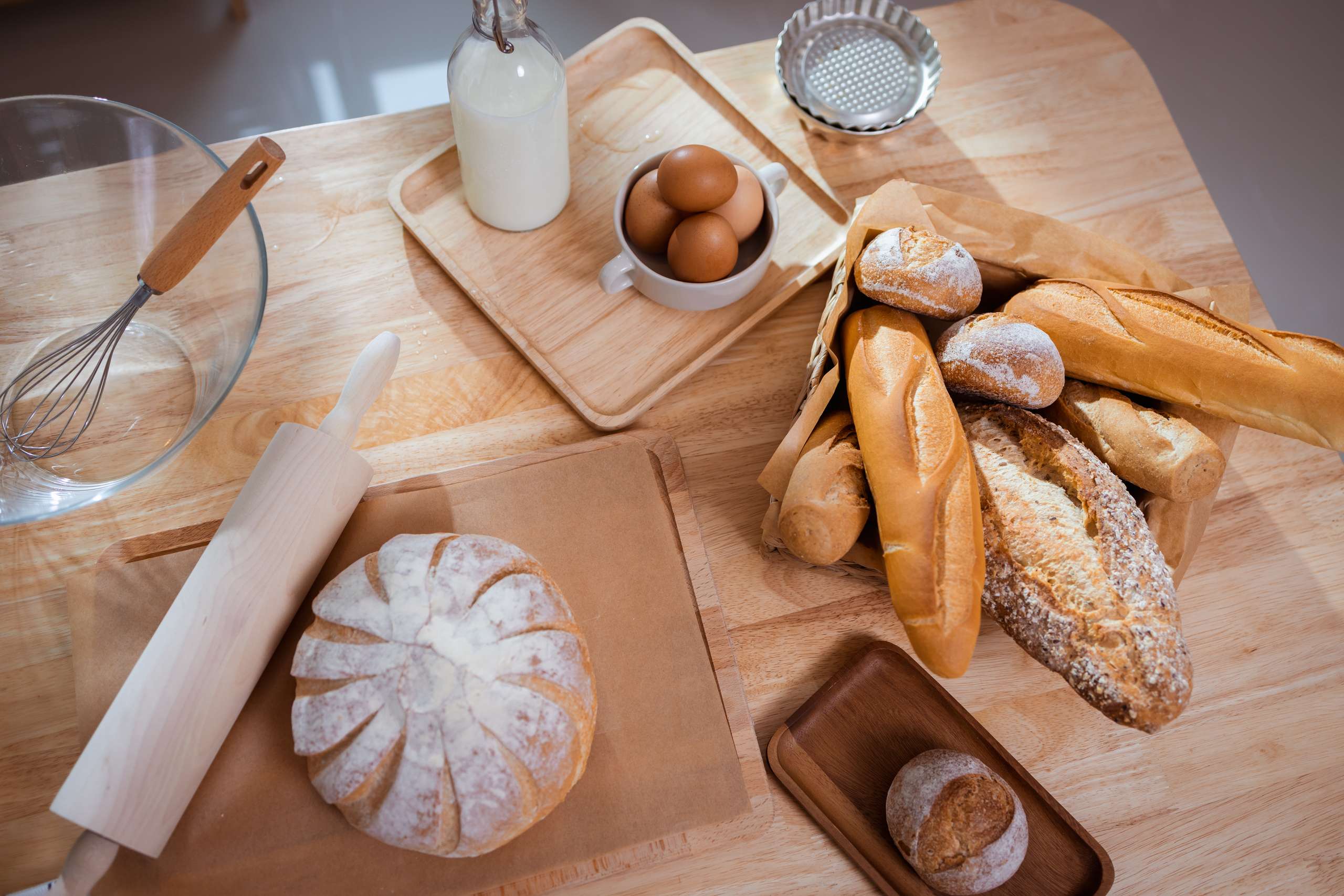
The shape you choose for your bread will influence not only the way it looks, but how it bakes and how you use it. A round loaf will retain a lot of moisture and can produce a thick crust. A longer shape will yield better sandwich slices or portions for sharing. Braiding creates a beautiful loaf and distributes the tension of shaping across multiple pieces of dough. The shape of your loaf is both functional and artistic, another blend of technique and art.
Ultimately, shaping is a time for patience and finesse. This is the last chance you have to prepare your dough for the oven where the real magic happens. A properly shaped loaf promises good structure, controlled expansion, and an attractive final product. When you take your bread out of the oven and it emerges with beautiful curves and a golden crust, you’ll see the fruits of your labor from the careful movements of shaping.