Address
304 North Cardinal St.
Dorchester Center, MA 02124
Work Hours
Monday to Friday: 7AM - 7PM
Weekend: 10AM - 5PM

Address
304 North Cardinal St.
Dorchester Center, MA 02124
Work Hours
Monday to Friday: 7AM - 7PM
Weekend: 10AM - 5PM

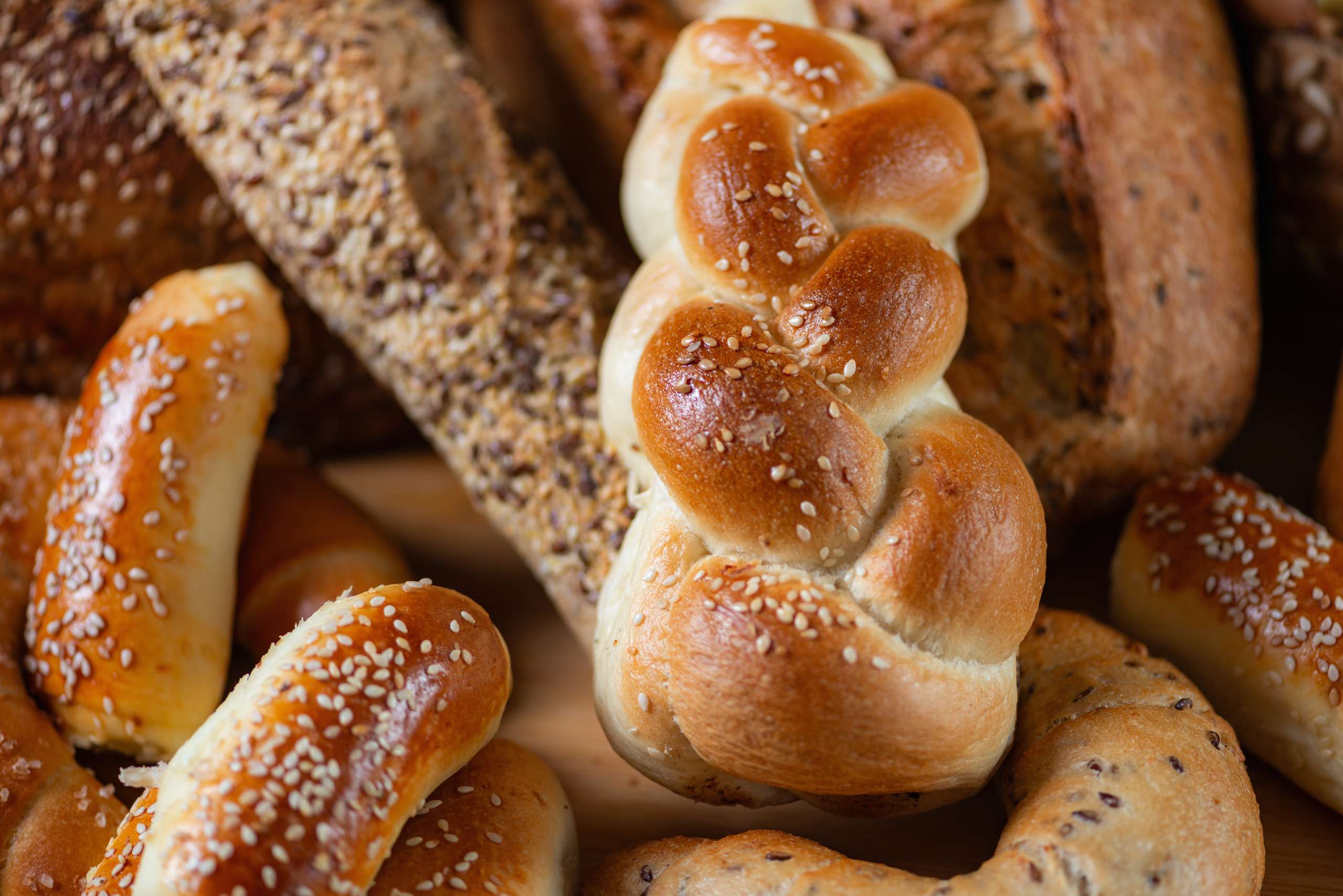
The Bread’s Oven Spring When you have mixed, proofed, and shaped your dough, you need to pop that beauty into the oven. The oven stage is where the magic happens. This is when you actually see the fruits of your labor. If everything has been done right up until now, your dough will undergo a rapid expansion as it starts to bake. This is what we call an oven spring, and it’s where your dough transforms into an actual loaf of bread. As your dough bakes, the gases trapped inside of it begin to expand and your bread starts to rise rapidly.
The moisture trapped inside of the dough also turns into steam, causing your loaf of bread to expand some more. If the proofing and shaping process was done right, this should cause your bread to rise upwards as it creates air pockets inside the loaf. The structure of your dough will also begin to set as it bakes. The heat from your oven will cause your bread’s structure to strengthen and hold its shape as it bakes. The steam inside your oven also plays an essential role during this stage. The steam helps to keep the surface of your dough supple for a bit longer so your loaf has enough time to rise before the crust begins to set.
If there is no steam in the oven, the surface of your loaf will dry out too quickly and restrict the rise of your loaf. This is why professional bakers will often inject steam into the oven when they put their loaves in. This helps to create an environment that promotes the rise of the bread. As your bread continues to bake, the crust will begin to turn golden brown. The natural sugars in your dough will begin to caramelize as it heats up, giving your bread its brown color and delicious flavor. If you hear a crackling sound as your bread cools, that is a sign that the crust of your bread has formed properly. It is also a sign that the steam inside of your bread is escaping and that your crust is settling as it cools.
Your bread should smell toasted and nutty when it comes out of the oven. It should have the distinctive aroma of toasted grain and caramelized sugars. When you remove your bread from the oven, you should be proud of what you have accomplished. There is nothing quite like taking a perfectly baked loaf of bread out of the oven. Each loaf of bread you bake will teach you something new. If your bread is light and fluffy with a crispy crust, then you know you have done everything right up until this point. If there is a defect somewhere in your loaf, you should be able to identify where you went wrong and correct it for the next time. Bread baking is a process of trial and error.
The goal is to continually improve your loaves and make them better and better. So, the oven stage is not just a matter of placing your dough in the oven and baking it. It is a matter of using this stage of the bread making process to continually improve your craft.