Address
304 North Cardinal St.
Dorchester Center, MA 02124
Work Hours
Monday to Friday: 7AM - 7PM
Weekend: 10AM - 5PM

Address
304 North Cardinal St.
Dorchester Center, MA 02124
Work Hours
Monday to Friday: 7AM - 7PM
Weekend: 10AM - 5PM

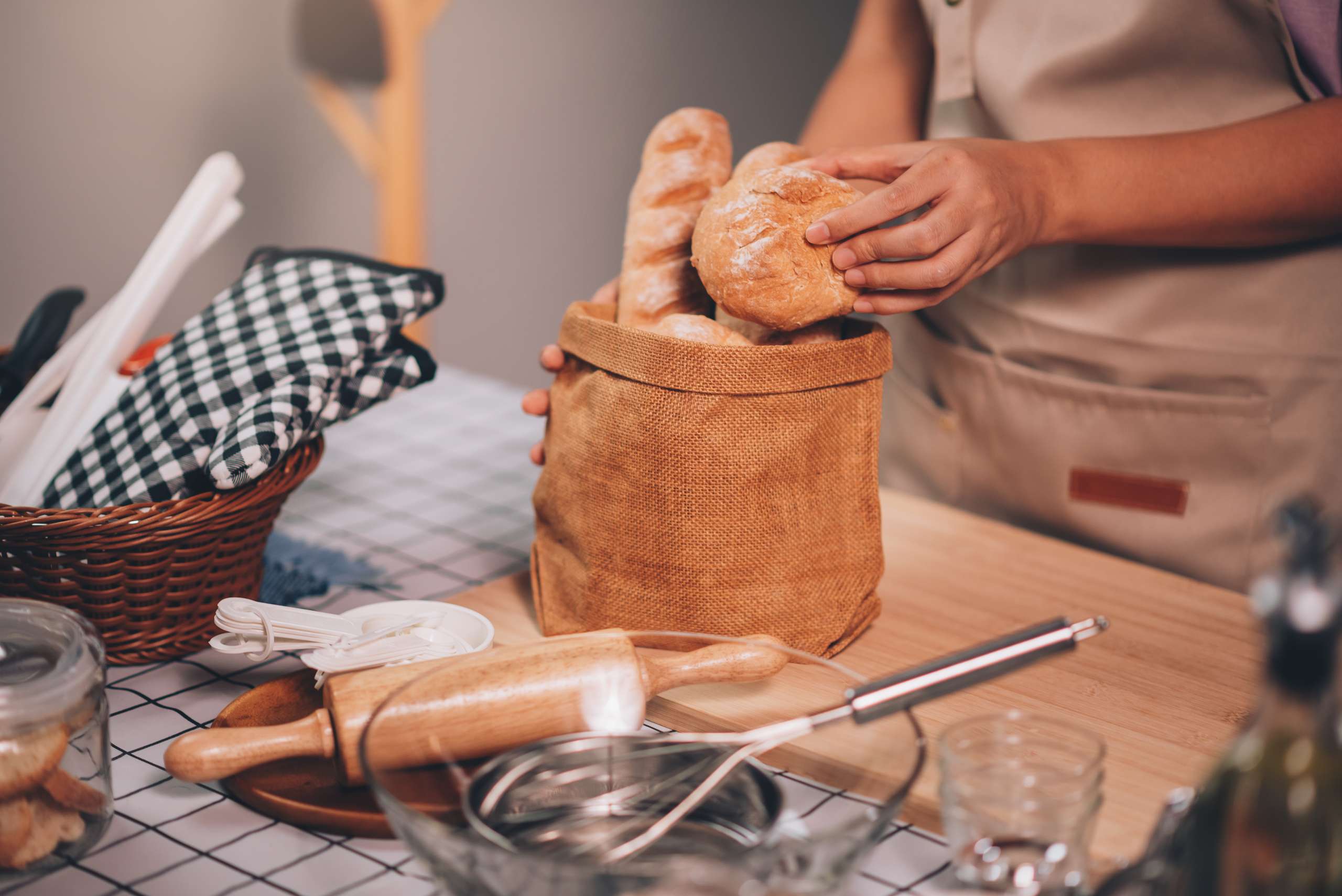
Fermentation, the most critical yet least understood aspect of bread making, can be deceiving at first. It is so easily misunderstood as time to wait in between mixing the dough and baking it. In truth, it is where flour and water start to turn into bread. This slow process is where all the natural activity within the dough takes place, developing the flavors, texture and aromas that make bread so complex. Without fermentation, you would be left with nothing more than a dense brick of flour and water rather than the light and airy loaf that comes out of the oven.
It starts the second you combine flour with water. As the dough sits, yeast and bacteria begin to feed off the sugars in the dough. The byproduct of this digestion is carbon dioxide, which inflates pockets in the dough that eventually will become the crumb. Simultaneously, chemical reactions begin to take place that alter the flavor. What starts as a neutral tasting mixture of flour and water slowly takes on flavors of sweetness, nuttiness and slight acidity. These developments cannot be hurried or forced. They take time.
Allowing your dough to properly ferment also enables it to develop the strength needed to hold its shape. As the dough sits, the gluten network begins to organize itself into a more structured system. This strength is what enables bread to rise up and still maintain a light interior. If you rush fermentation, the bread will rise, but it will not have the strength to maintain its shape. The loaf will likely collapse or not bake evenly. Given ample time, fermentation will provide the structure needed for both the texture and rise of the loaf.
An additional variable in fermentation is temperature. A warmer environment will promote more rapid fermentation, whereas a cooler environment will slow down fermentation and allow the flavors to mature slowly. Many professional bakers will let the dough ferment for a longer period of time at cooler temperatures because this slower process will result in a more aromatic loaf with more developed flavor. Learning to control the temperature of fermentation becomes an important tool in bread making. It turns the process from a waiting game into an intentional act.
Perhaps more than any other factor, fermentation outlines the spirit of artisan bread making. It reminds us that sometimes the best things in life cannot be rushed. Instead of trying to expedite the process to get immediate results, we create an environment that will promote the natural process to develop to its full potential. When you respect and understand fermentation, the results will be a loaf of bread that will have a depth of flavor and texture that cannot be achieved any other way. Bread ceases to be just a source of nutrition and becomes an expression of patience, dedication and the passage of time.