Address
304 North Cardinal St.
Dorchester Center, MA 02124
Work Hours
Monday to Friday: 7AM - 7PM
Weekend: 10AM - 5PM

Address
304 North Cardinal St.
Dorchester Center, MA 02124
Work Hours
Monday to Friday: 7AM - 7PM
Weekend: 10AM - 5PM

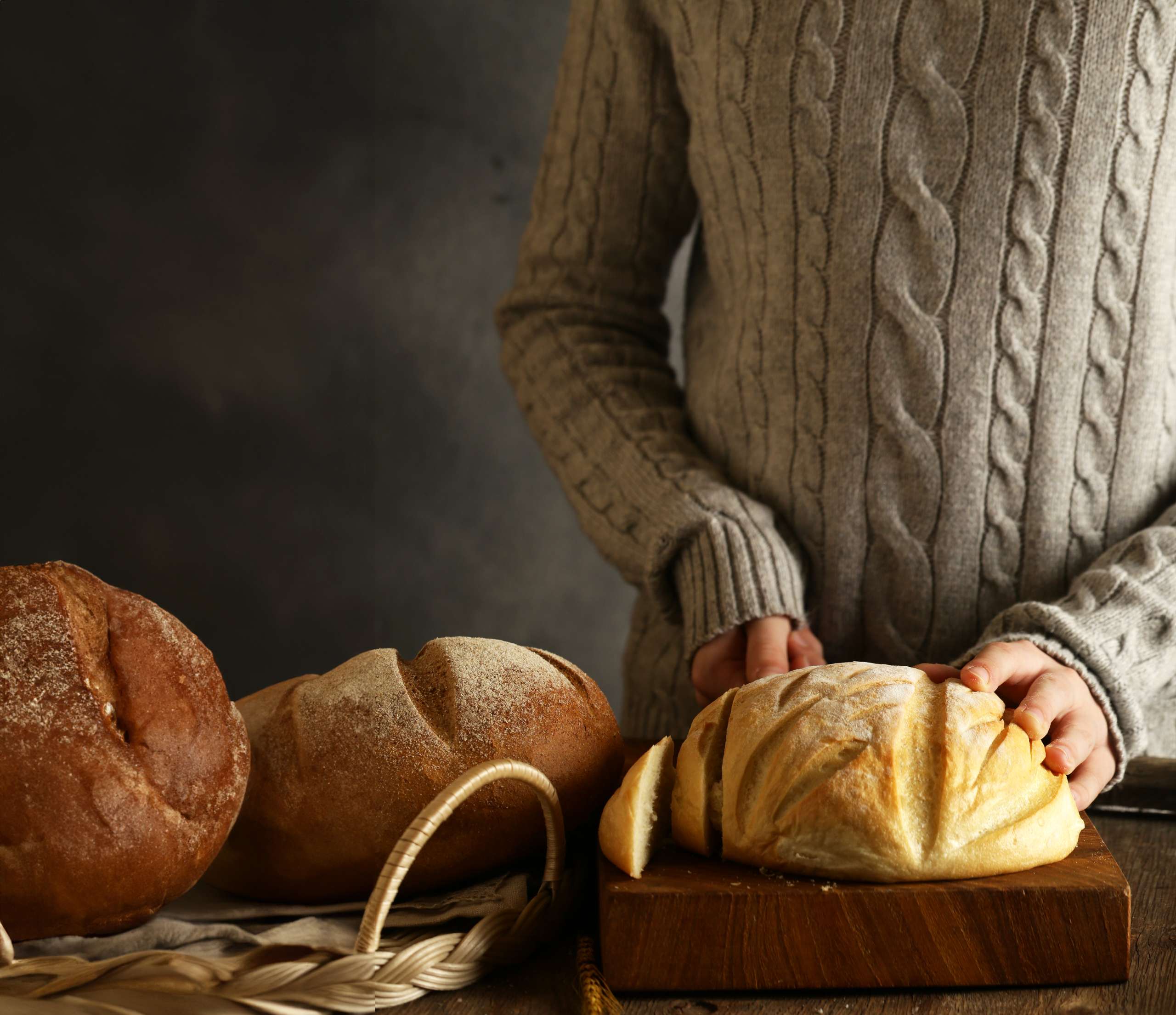
Making bread, at its most basic, is easy: flour, water, salt, and time. But for anyone who has ever really tried to make a great loaf, it’s clear there’s more to it than that. There’s a certain discipline required, a discipline of patience, of watching and waiting, of learning. Bread doesn’t accommodate shortcuts or a lack of attention. You need to pay attention to proofing times, to hydration, to scoring, to temperature. You can’t just slap a loaf together and throw it in the oven; you have to understand what each ingredient and each stage contributes to the final product. Bread making is not for the impatient. Bread making is not for the lazy.
The first sign that you understand the discipline of bread making is that you stop fighting the dough. You learn to read it instead, to understand that the stickiness and elasticity and airiness of the dough are telling you something. You learn when to push and when to restrain yourself. You learn that the first rise is different from the second rise, that shaping is not the same as folding, that the temperature of your proofing box matters. You learn to wait. You learn to listen. And you learn that practice helps. A lot.
The best bread is rarely made on the first try. In fact, it’s rarely even made on the fifth try. But with each successive loaf, you learn something. Maybe your crust is perfect but your crumb is tight. Maybe your loaf spread too much before you put it in the oven. That’s not failure, that’s data. And you use that data to make the next loaf better. The best bread makers are those who have made loaf after loaf, each one a little better than the last.
Then there’s the tempo of bread making. Bread doesn’t require that you stand at the oven constantly. There are long stretches of time when the dough is proofing or the bread is baking, time when you can do other things. It’s a rhythm, a cadence of work and rest. It’s meditative, in a way, except when it isn’t. Except when you have to mix and knead and shape and score and bake, all in a relatively short period of time. Still, even when you’re frantically trying to get a few loaves in the oven, the tempo of bread making is a big part of its appeal.
Finally, there’s the end result. I mean, let’s be real. Bread is delicious. The best thing about bread making is taking that perfectly golden loaf out of the oven and letting it cool just enough so you can slice into it. The crust crackles, the interior is soft and airy. It smells like bread, like yeast and flour and salt. It smells like baking. There is no better feeling than that first bite of a perfect loaf. It never gets old. And yet, it’s not just about the bread. It’s about the process, about the journey. Because when you make bread, you’re not just making bread. You’re practicing patience. You’re practicing discipline. You’re practicing persistence. And you’re practicing the rewards of all those things.